Tracing Swiss Casino Game Adaptations Through Secure Verification and Player Education Pathways
Geschrieben von Carlo Griffin · 24.9.2026
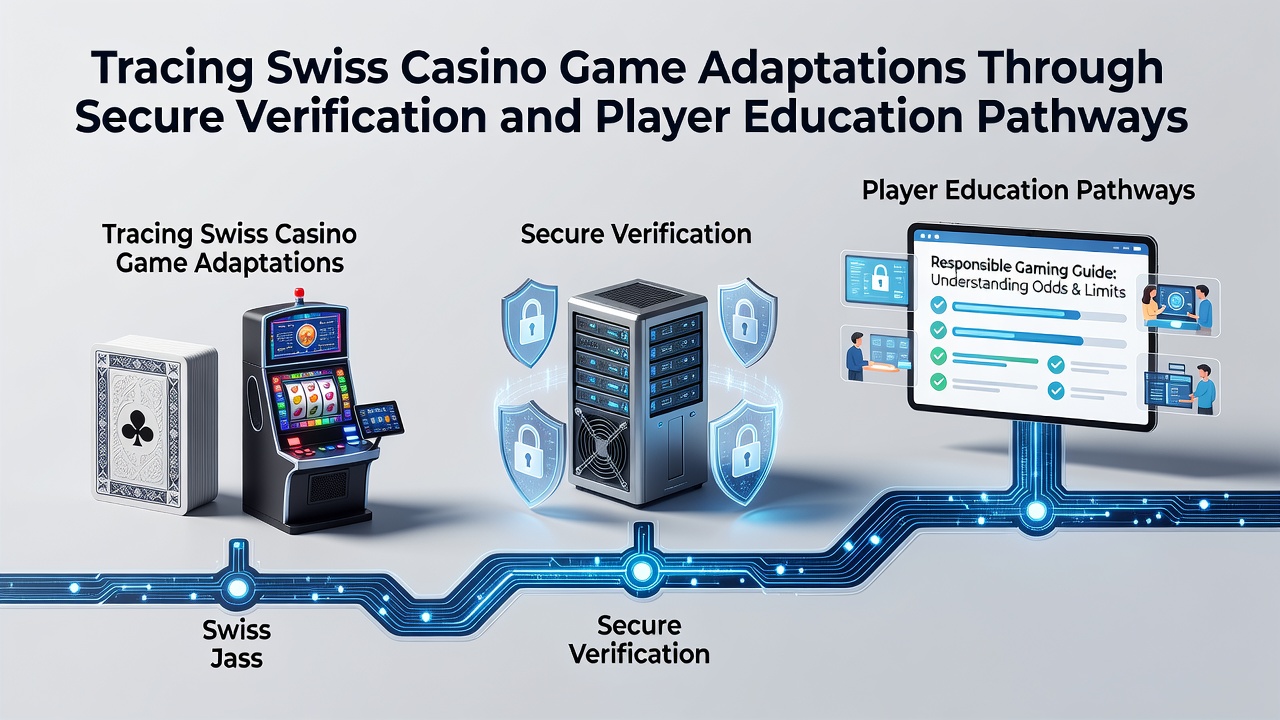
Tracing Swiss Casino Game Adaptations Through Secure Verification and Player Education Pathways
Swiss casino operators have refined game delivery systems over the past decade through layered verification protocols that integrate identity checks directly into player onboarding and session management, while education modules guide users toward informed choices about session limits and risk awareness. These adaptations align with federal regulations enforced by the Eidgenössische Spielbankenkommission, which requires real-time authentication before any wager placement occurs.
Data from industry reports shows that verification sequences now combine biometric scans with document uploads and cross-references against national databases, reducing unauthorized access attempts by measurable margins each quarter. Game interfaces adjust dynamically once verification clears, unlocking full feature sets only after confirmation, and this process occurs seamlessly within mobile and desktop environments across licensed platforms.
Verification Integration in Game Design
Developers embed verification checkpoints at multiple stages, including initial registration, deposit actions, and periodic re-authentication during extended play periods. Swiss platforms apply these checkpoints uniformly, whether users engage with classic table games or modern video slots, and the system logs each step for compliance audits. Observers note that such integration prevents mid-session interruptions while maintaining continuous oversight, because authentication tokens refresh automatically without requiring repeated manual input.
Payment gateways further synchronize with verification layers so that transaction approvals depend on active status flags, and this linkage supports faster processing for verified accounts. Research from European gaming studies indicates that platforms employing multi-factor verification experience fewer disputes related to account ownership, since the chain of custody remains documented from the first interaction onward.
Player Education Pathways and Their Role
Education components appear as optional yet encouraged modules that players encounter during registration and at regular intervals thereafter. These modules cover probability concepts, payout structures, and self-assessment tools for tracking play duration and expenditure. Swiss operators deliver the content through interactive formats that include short quizzes and progress trackers, allowing users to complete sections at their own pace before returning to game lobbies.
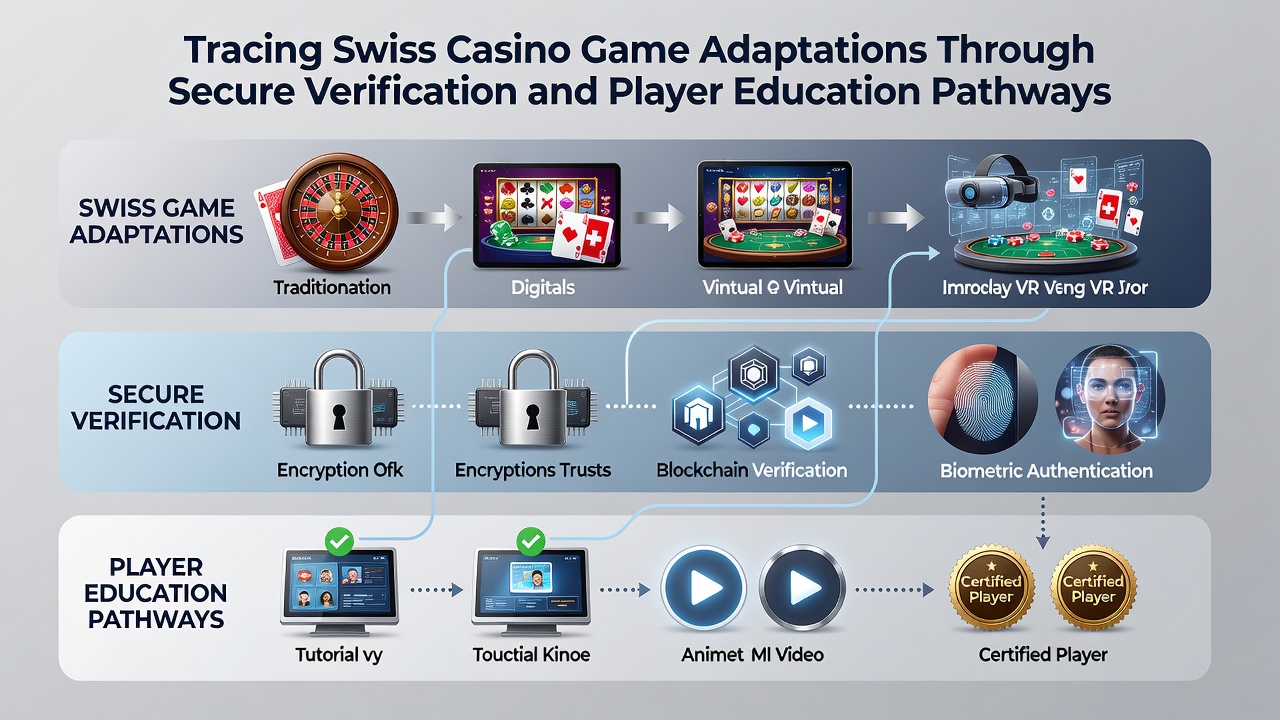
Completion records feed back into the verification system, which can trigger additional prompts if patterns suggest prolonged sessions without breaks. Figures from regulatory summaries reveal steady increases in module engagement rates following updates rolled out in prior years, and this trend continues as operators refine content based on user interaction analytics. One notable development involves adaptive learning paths that adjust difficulty and focus areas according to individual play history, providing tailored information rather than generic overviews.
Adaptations Anticipated for September 2026
Regulatory updates scheduled for September 2026 will introduce enhanced cross-platform verification standards that require unified identity profiles across multiple licensed operators. These changes aim to streamline player movement between venues while preserving data integrity through centralized yet anonymized record-keeping. Game adaptations will incorporate new API endpoints that pull education completion status directly from a shared registry, ensuring consistency regardless of which platform a user selects.
Industry associations have prepared technical guidelines that detail implementation timelines and testing procedures ahead of the deadline. Platforms already piloting similar features report smoother transitions during internal trials, and full deployment will coincide with updated reporting requirements that track both verification success rates and education participation metrics.
Conclusion
Swiss casino systems continue to evolve by merging secure verification processes with structured education initiatives, creating pathways that support compliance and user awareness simultaneously. These combined approaches reflect ongoing adjustments to federal mandates and technological capabilities, with further refinements expected as the September 2026 milestones approach. Operators maintain records that demonstrate adherence to these standards, while players gain access to tools that inform their decisions throughout each session.