The Intersection of Swiss Licensing Rules and Mobile App Designs for Integrated Player Limit Tools
Geschrieben von Harper Koch · 19.11.2026
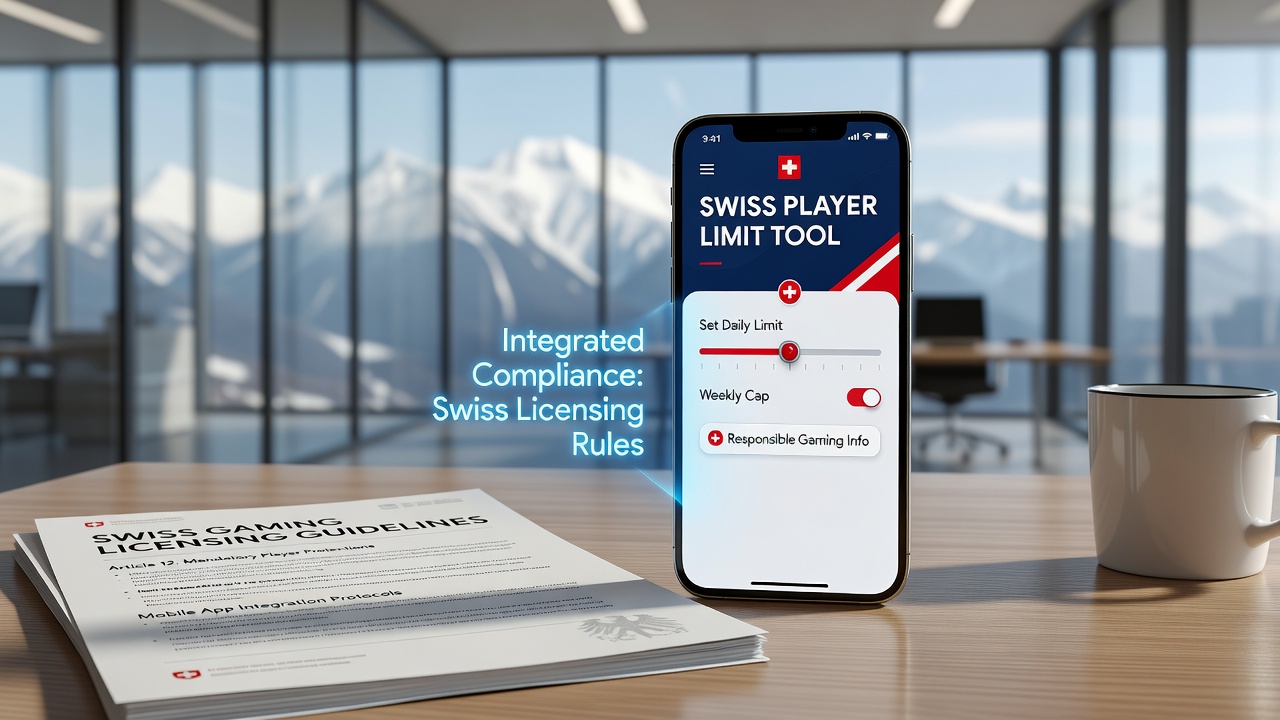
The Intersection of Swiss Licensing Rules and Mobile App Designs for Integrated Player Limit Tools
Swiss federal licensing under the Money Games Act requires operators to embed player limit tools directly into mobile applications, and these mandates shape everything from interface layouts to backend data flows. Developers must configure apps so users can set deposit caps, time restrictions, and loss thresholds at multiple points during a session, with the system enforcing those boundaries without external redirects.
Core Licensing Requirements for Player Protection Features
Operators holding Swiss licenses face specific obligations that tie compliance directly to app architecture, since the Federal Gaming Board reviews software submissions for evidence of seamless integration. Data flows between the app and central servers must log every limit adjustment in real time, while the interface presents options through persistent menus rather than buried settings pages. Those who've examined compliance documentation note that failure to meet these integration standards blocks license renewal, which creates a direct link between regulatory approval and design decisions.
Design teams therefore prioritize modular components that handle limit calculations locally before syncing with licensed backend systems, and this approach reduces latency during high-traffic periods. Color-coded indicators appear alongside balance displays to signal when a user approaches a pre-set boundary, and the same components pause gameplay automatically once limits activate.
Technical Implementation Patterns in Mobile Interfaces
App builders incorporate progressive disclosure patterns so first-time users encounter limit prompts during onboarding, while returning players access the same controls through account hubs. Swiss rules stipulate that these tools remain accessible within two taps from any screen, which forces navigation structures to reserve permanent footer or sidebar space for responsible play sections. Backend algorithms track cumulative activity across devices, ensuring a single account cannot bypass limits by switching phones or tablets.
Research from the Canadian Centre on Substance Use and Addiction shows that visible, always-available limit tools increase user engagement with protection features by measurable margins. Swiss developers apply similar findings when they embed quick-set buttons for common thresholds alongside custom input fields, and the resulting screens adapt layout based on device orientation to maintain readability.
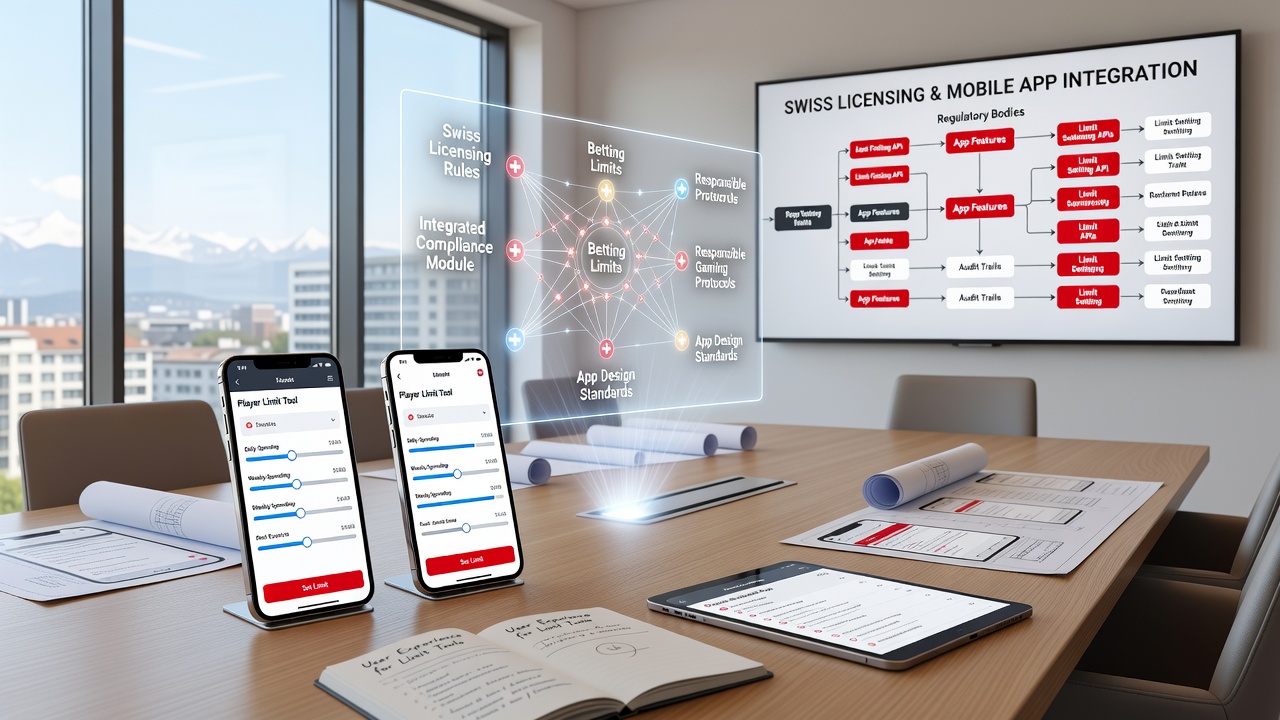
Testing protocols now include simulated sessions that verify automatic enforcement works even under network interruptions, since licensing inspectors require proof that limits survive connectivity drops. Animation cues signal successful limit activation without interrupting gameplay flow, and accessibility standards demand that screen readers announce threshold changes clearly.
Data Handling and Reporting Obligations
Licensed operators must transmit aggregated limit usage statistics to oversight bodies on quarterly schedules, which influences how apps structure their analytics layers. Developers separate personal limit data from marketing datasets at the code level to satisfy data protection rules that run parallel to gambling regulations. Audit trails capture every instance where a player modifies or removes a limit, and these records feed into both compliance reports and internal risk models.
Systems also generate alerts when patterns suggest potential circumvention attempts, such as rapid successive limit increases, and these flags route to operator compliance teams for review. The technical requirement for immutable logs means databases retain historical entries even after users close accounts, aligning with Swiss record-keeping periods.
Cross-Platform Consistency Under Regulatory Scrutiny
Because Swiss licenses cover both iOS and Android deployments, design teams maintain feature parity across operating systems while respecting each platform's native interaction guidelines. Update cycles for licensed apps undergo pre-release review, so limit tool modifications receive priority in testing queues ahead of cosmetic changes. Operators coordinate with cantonal authorities on rollout timing, although core federal standards remain uniform nationwide.
November 2026 marks the next major compliance checkpoint for several existing licenses, at which point regulators will assess whether current limit integrations meet evolving technical benchmarks for multi-device synchronization. Preparation for that date already drives investment in updated SDKs that standardize limit enforcement across future app versions.
Conclusion
Swiss licensing rules and mobile app design for integrated player limit tools operate as interconnected systems where regulatory text translates into specific interface elements, data schemas, and testing procedures. Operators who align these elements from the initial architecture phase meet approval criteria more efficiently, while those who retrofit tools later encounter repeated revision cycles. The result is a development environment where compliance considerations shape user experience at every layer, from onboarding flows to backend reporting pipelines, and this pattern continues to define Swiss mobile gaming applications through upcoming regulatory milestones.