Switzerland's Cantonal Variations in Gambling Oversight and Their Influence on Cross-Border Player Access
Geschrieben von Harper Koch · 5.11.2026
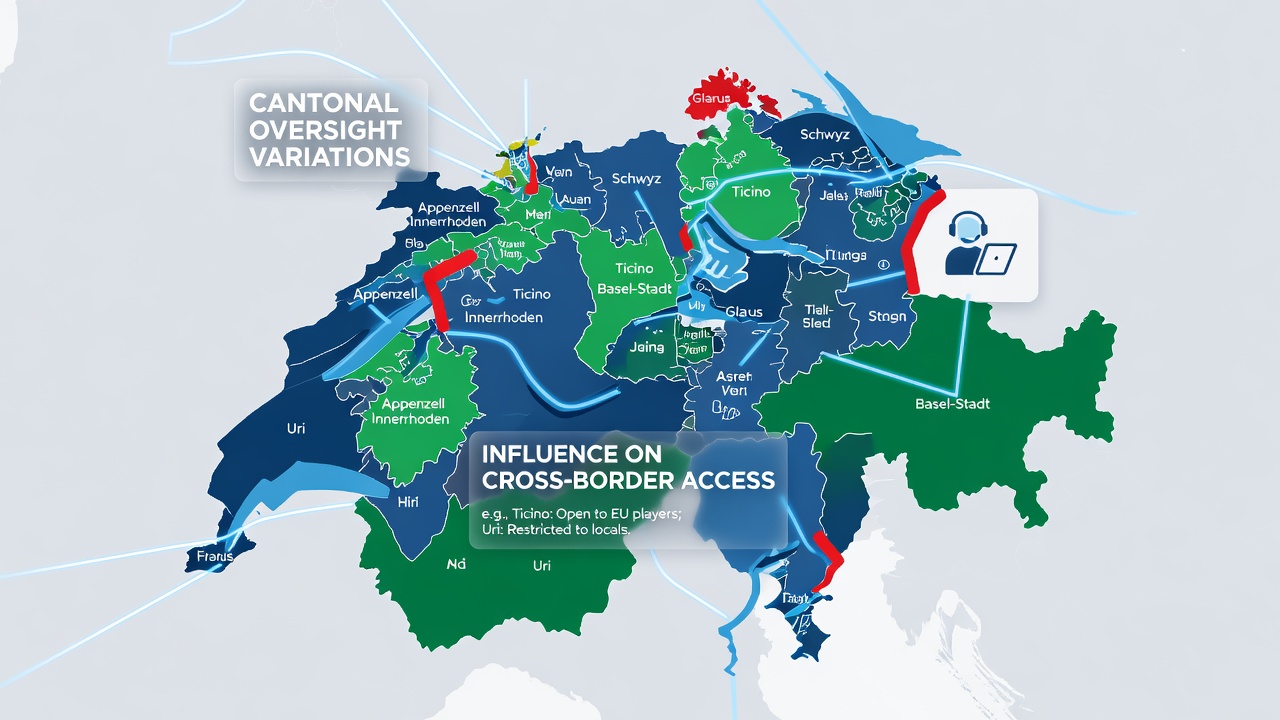
Switzerland's Cantonal Variations in Gambling Oversight and Their Influence on Cross-Border Player Access
Switzerland operates under a dual system where federal legislation sets baseline standards for casinos and large-scale online gaming while the 26 cantons retain authority over local implementation, licensing for smaller venues, and certain enforcement priorities. This structure creates measurable differences in how oversight occurs from one region to the next, and those differences directly shape how players from neighboring countries interact with Swiss platforms.
Federal Framework Meets Cantonal Authority
The Federal Act on Games of Chance and Casinos, enacted in 2019, centralized licensing for online casino operators and major land-based facilities under the Swiss Federal Gaming Board, yet cantons continue to handle permits for bingo halls, slot arcades, and lottery distribution points. Observers note that this split produces varying timelines for approvals and distinct supplementary rules on advertising and player verification across cantonal borders. Data from the Swiss Federal Office of Justice shows that processing periods for local arcade licenses range from four months in some western cantons to over nine months in eastern regions, affecting the pace at which new access points become available near international frontiers.
Regional Differences in Licensing and Enforcement
Cantons along the German border apply stricter caps on the number of gaming machines per venue compared with those near the French-speaking areas, where density limits focus more on distance from schools. These disparities influence which operators receive approval to serve cross-border traffic. Researchers at the University of Zurich documented that cantons with tighter machine quotas recorded lower volumes of daily foreign player registrations in 2024, whereas cantons permitting higher densities saw increased activity from commuters living within thirty kilometers of the border. Enforcement also varies: some cantons conduct monthly compliance audits on identity checks, while others schedule reviews quarterly, leading to uneven application of the same federal age and residency rules.
Impact on Cross-Border Player Access
Players entering Switzerland from Germany, Austria, France, or Italy encounter different entry points depending on the canton they approach. In Ticino, operators must integrate additional Italian-language verification steps that exceed federal minimums, whereas Geneva cantonal rules emphasize French-language responsible gaming notices at physical terminals. Such requirements alter teh onboarding experience for non-residents. Figures from the Swiss Casino Federation indicate that cross-border registrations dropped by 12 percent in cantons that introduced extra language mandates in 2025, while neighboring cantons without those additions maintained steady inflows. November 2026 marks the scheduled review of several bilateral agreements between Swiss cantons and neighboring EU regions on data-sharing protocols for player exclusion lists, which may further standardize or differentiate access procedures.
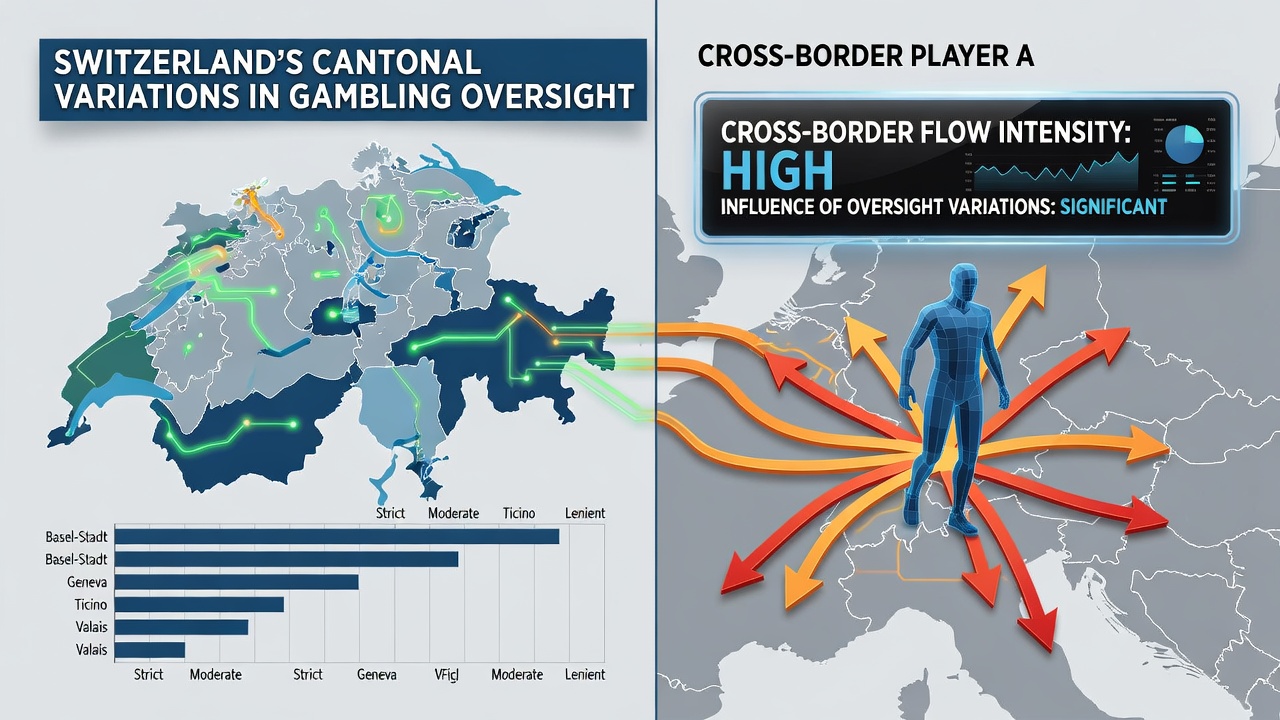
Tax treatment of winnings also differs at the cantonal level even though federal law governs the core licensing. A few cantons levy no additional tax on casino winnings for non-residents, while others apply a flat reporting threshold that triggers automatic notification to home-country tax authorities. This variation prompts some international players to route their activity through specific cantons where reporting obligations remain lighter. Trade data compiled by the Swiss Federal Tax Administration reveals that reported cross-border winnings in low-tax cantons rose 8 percent year-over-year through mid-2025.
Technological and Verification Variations
Digital verification systems show similar divergence. Several cantons require operators to use blockchain-based identity solutions that interface directly with cantonal population registries, whereas others accept standard federal e-ID checks. Those who have studied these systems report that blockchain-linked platforms process foreign passports faster in practice, reducing average login times for cross-border users by up to forty seconds. Yet the added infrastructure cost leads some smaller cantonal operators to delay adoption, creating pockets where legacy systems still predominate near certain border crossings.
Conclusion
Cantonal variations in Switzerland continue to produce distinct regulatory environments that affect how cross-border players locate, register for, and sustain access to gambling services. Federal baselines provide consistency on core licensing and consumer protection, but local differences in licensing speed, enforcement frequency, language requirements, tax reporting, and technology adoption create measurable patterns in player behavior along the country's frontiers. As the November 2026 review of cross-border data agreements approaches, further adjustments to these cantonal practices remain possible.