Swiss Regulatory Compliance Pathways and Their Impact on Slot Feature Designs Alongside Table Game Accessibility in Digital Swiss Platforms
Geschrieben von Harper Koch · 8.10.2026
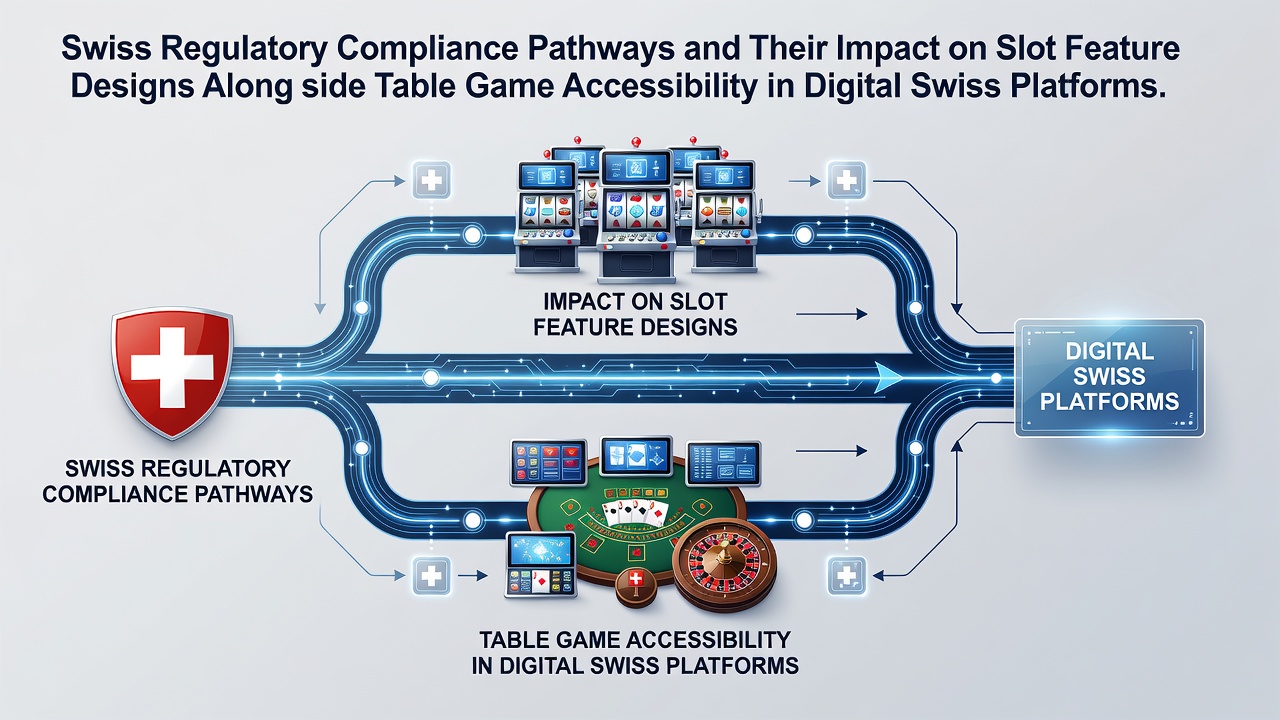
Swiss Regulatory Compliance Pathways and Their Impact on Slot Feature Designs Alongside Table Game Accessibility in Digital Swiss Platforms
Swiss gambling regulation operates through the Federal Act on Gambling that took effect in 2019 and established clear licensing routes for both land-based and online operators while requiring strict adherence to player protection measures and technical standards. Digital platforms seeking authorization must demonstrate compliance with technical specifications set by the Federal Office of Justice and the Intercantonal Supervisory and Control Authority, which together oversee approval processes that include system audits, data security protocols, and ongoing reporting obligations.
Compliance Pathways for Digital Operators
Operators pursuing a Swiss license follow a structured pathway that begins with cantonal concessions for physical venues and extends to federal-level approvals for online activities, whereas those targeting only digital markets apply directly through the federal channel. Each application requires detailed documentation on game mechanics, random number generator certifications, and responsible gaming tools, with reviewers examining how features align with restrictions on autoplay functions, maximum bet limits, and session time controls. Data from licensed platforms indicates that approval timelines average between six and twelve months depending on the complexity of proposed game libraries and the robustness of verification systems.
Platforms must also integrate with the national self-exclusion database and implement age verification through official identity systems, steps that directly shape how table games and slots are presented to users. In October 2026 additional reporting requirements are scheduled to take effect, requiring operators to submit quarterly metrics on game session durations and feature usage patterns so regulators can assess whether current safeguards remain effective.
Effects on Slot Feature Designs
Slot development teams working for Swiss-licensed platforms adjust feature sets to meet technical guidelines that prohibit certain bonus mechanics deemed too aggressive, such as unlimited free spin retriggers or progressive multipliers that exceed predefined thresholds. Certified random number generators must undergo independent testing by accredited laboratories, and any feature that alters return-to-player percentages mid-session faces additional scrutiny. Developers therefore design mechanics that maintain entertainment value while staying within fixed parameters, which often results in features like capped win multipliers, mandatory cool-down periods between bonus rounds, and transparent probability disclosures displayed directly in the game interface.
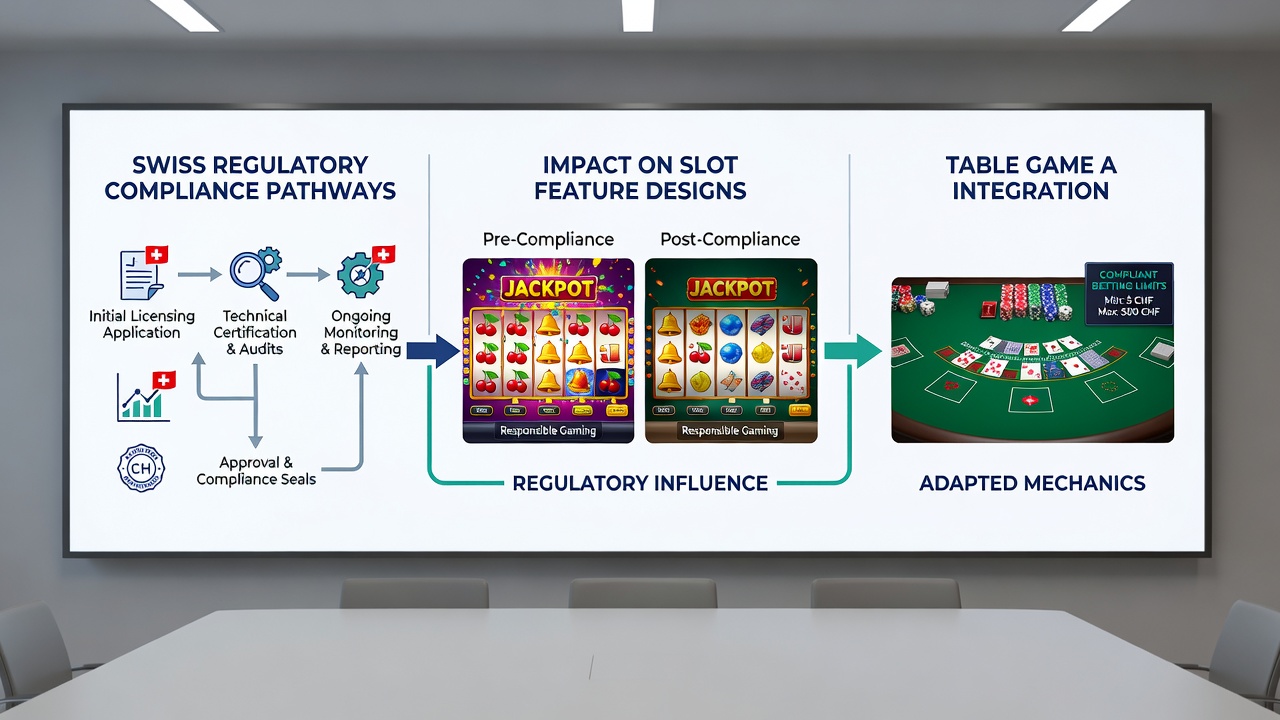
Studies conducted by European research institutions show that these constraints have led to increased emphasis on visual and audio elements rather than complex mathematical progressions, allowing operators to differentiate titles through thematic depth instead of escalating reward structures. One documented case involved a major provider that redesigned a popular cluster-pay mechanic after initial submissions were returned for exceeding session intensity thresholds, ultimately releasing a version that incorporated fixed reward tiers and visual progress indicators.
Table Game Accessibility Considerations
Table game offerings on Swiss digital platforms must balance accessibility with regulatory demands for identity verification at multiple points during play. Live dealer streams require real-time monitoring and integration with central databases, which can introduce slight delays during peak hours yet ensures every participant meets eligibility criteria. Virtual table games face fewer latency issues but still require prominent display of house edge information and mandatory confirmation prompts before extending credit or raising limits.
According to reports from the Swiss Federal Gaming Board, platforms have expanded tutorial modes and simplified rule explanations to maintain user engagement while complying with transparency rules. These adaptations allow new players to understand game flow without extended sessions, and operators track completion rates of such educational modules as part of their compliance records. Accessibility features such as adjustable interface sizes and alternative input methods appear more frequently because regulators encourage designs that accommodate diverse player needs without compromising security protocols.
Integration of Oversight Mechanisms
Technical standards published by the Intercantonal authority require continuous logging of all game events, which in turn influences how developers implement logging hooks within slot engines and table game servers. This infrastructure supports both regulatory audits and internal analytics that help operators refine feature pacing. Industry associations across multiple jurisdictions have noted similar patterns where compliance documentation drives iterative design changes rather than one-time overhauls.
Platforms also coordinate with payment processors to enforce deposit and loss limits that reset according to regulatory calendars, and these financial controls interact directly with game accessibility settings. When a player approaches a predefined threshold, the system must pause activity and present responsible gaming resources, a process that applies equally to spinning reels and card tables.
Conclusion
Swiss regulatory compliance pathways establish technical and operational boundaries that guide slot feature development toward measured reward structures and shape table game accessibility through layered verification and educational requirements. The framework continues to evolve, with scheduled updates in October 2026 expected to refine data collection practices and further align platform capabilities with supervisory objectives. Operators and developers therefore maintain ongoing dialogue with regulatory bodies to ensure designs remain both compliant and functional within the defined parameters.