Mapping Transaction Safeguards With Voluntary Limit Tools Across Switzerland's Licensed Digital Gaming Platforms
Geschrieben von Carlo Koch · 22.10.2026
Mapping Transaction Safeguards With Voluntary Limit Tools Across Switzerland's Licensed Digital Gaming Platforms
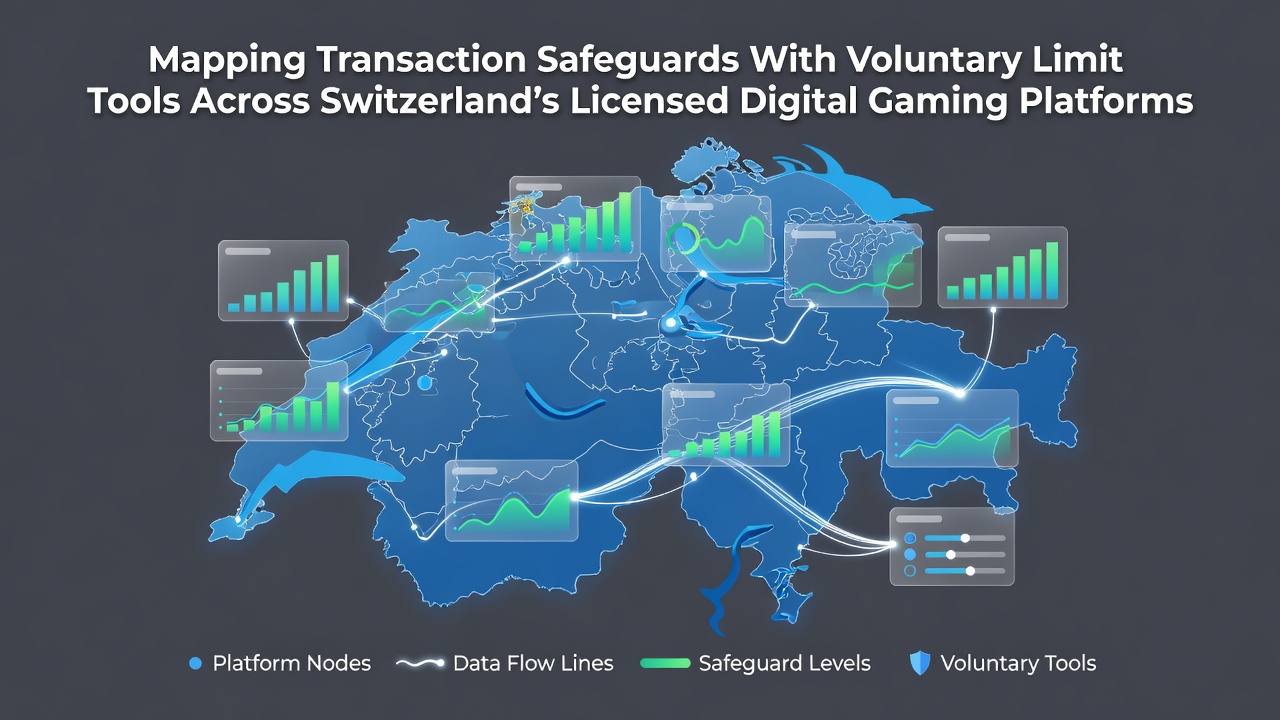
Switzerland's licensed digital gaming platforms integrate voluntary limit tools directly into transaction systems to help users manage deposits, losses, and session times while meeting federal regulatory standards. These mechanisms operate through software that records player choices and applies them automatically across payment flows, creating a layered approach where individual preferences align with broader compliance requirements set by the Eidgenössische Spielbankenkommission.
Core Components of Voluntary Limit Systems
Operators structure these tools around deposit caps, loss thresholds, and time restrictions that players activate through account dashboards, and the systems then enforce those parameters in real time during every transaction attempt. Data from platform logs shows that once a limit activates, subsequent deposits pause until the chosen period resets, while alerts notify users when they approach their self-selected boundaries. This setup connects user input with backend verification so that no single transaction bypasses the established rules without triggering an immediate review process.
Transaction safeguards extend beyond basic limits by incorporating velocity checks that track the number and size of transfers within defined windows, and platforms cross-reference these against historical patterns stored in secure databases. When activity deviates from established norms, the system holds the transaction for manual assessment or applies temporary blocks, which maintains consistency across all licensed sites operating under the same federal framework.
Regulatory Alignment and Platform Implementation
Swiss law requires every licensed operator to provide these voluntary tools at no extra cost and to document their effectiveness through regular audits submitted to oversight bodies. Platforms achieve compliance by embedding limit functions into the core payment architecture rather than treating them as optional add-ons, which ensures uniform application whether players use bank transfers, e-wallets, or card payments. According to records maintained by the Eidgenössische Spielbankenkommission, all active digital licenses include explicit provisions for these safeguards as part of ongoing operational approvals.
Implementation varies slightly by provider size yet follows shared technical standards that allow data portability when users switch between platforms. Smaller operators often partner with third-party verification services to handle the monitoring load, whereas larger groups maintain in-house teams that refine algorithms based on aggregated transaction datasets collected over multiple quarters. Both approaches feed into the same national reporting structure, producing comparable metrics on limit adoption rates and enforcement success.
Integration With Broader Payment Security Measures
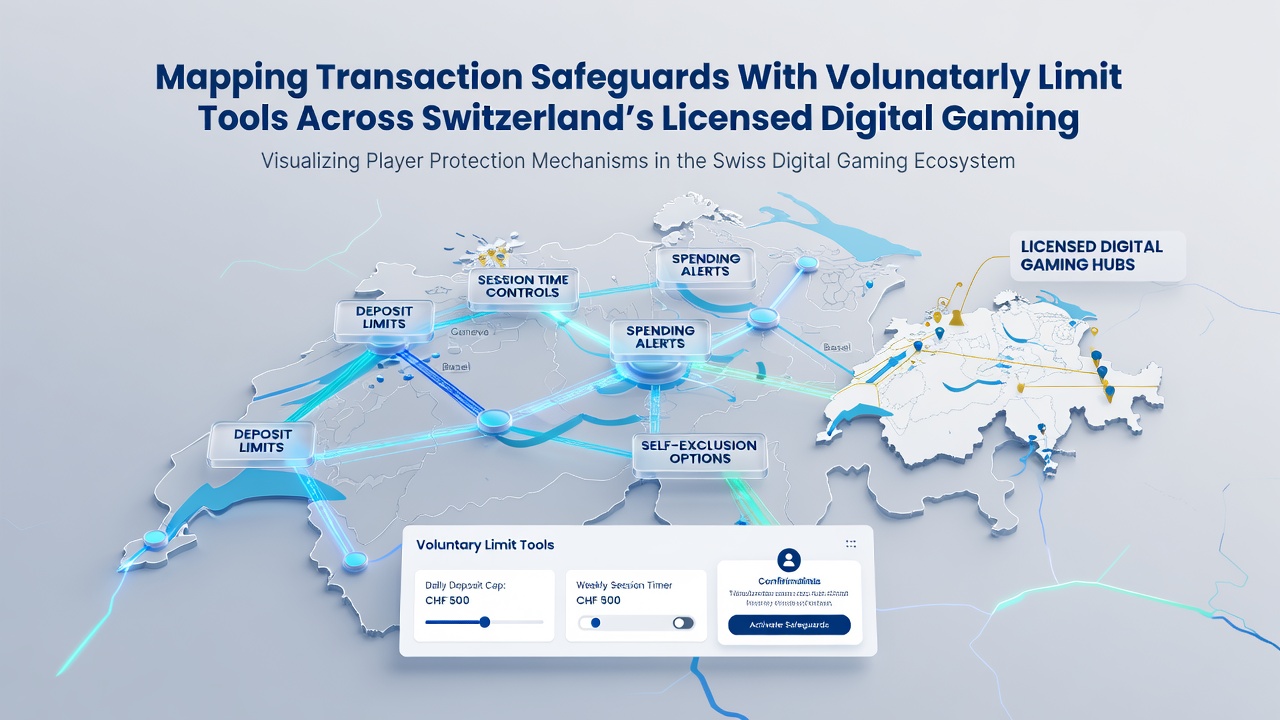
Voluntary limits work alongside identity verification protocols and fraud detection layers that scan each transaction for signs of unauthorized access or money laundering indicators. When a player sets a daily deposit cap, the system simultaneously validates the funding source against know-your-customer records, creating a combined checkpoint that reduces both overspending risks and compliance violations in one workflow. Observers note that this dual-purpose design keeps operational friction low while satisfying multiple regulatory demands at once.
Payment processors serving Swiss platforms must route all transactions through gateways that recognize active limit flags, and this technical requirement applies equally to domestic banks and international partners cleared for use in the jurisdiction. As a result, attempts to circumvent a limit by switching methods trigger automatic rejections rather than manual intervention, which speeds up enforcement without increasing staff workload.
Monitoring Outcomes and Data Patterns
Usage statistics compiled through 2025 indicate steady growth in voluntary limit activation, with deposit caps remaining the most selected option across age groups and game types. Platforms report that players who engage these tools tend to maintain activity within their chosen parameters at rates exceeding 90 percent, according to internal compliance summaries shared with regulators. Those figures come from anonymized transaction records that also track reset frequency and limit adjustments over time.
By October 2026, scheduled regulatory reviews will examine how emerging payment technologies, such as instant bank transfers and digital wallets with embedded spending controls, interact with existing voluntary systems. Early test data from pilot programs suggest that tighter integration could further reduce the window between limit setting and enforcement, particularly for users who adjust their parameters frequently during active sessions.
Conclusion
Switzerland's approach maps voluntary limit tools onto transaction safeguards through standardized technical requirements and consistent regulatory oversight, producing a framework where player choices receive automatic enforcement across all licensed digital platforms. The combination of user-activated caps, real-time monitoring, and periodic audits creates measurable alignment between individual control features and broader financial protection goals without introducing separate compliance streams. Continued refinement of these systems, especially around new payment methods ahead of the 2026 assessments, will determine how the current structure adapts to evolving transaction patterns while preserving core safeguards.